

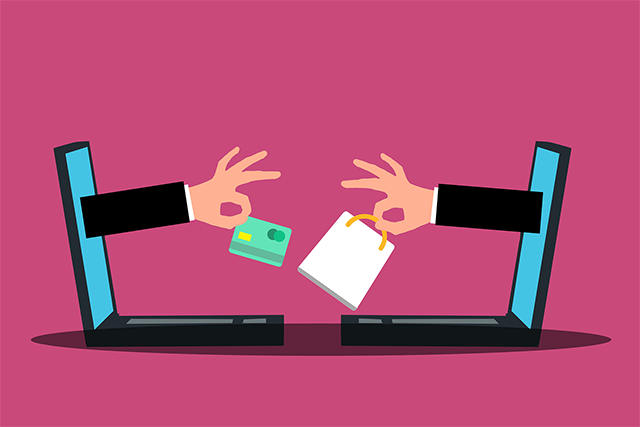
Embarking on a digital shopping spree can be exciting, but it’s essential to navigate the online marketplace with caution. Protecting your personal information and avoiding scams is crucial to ensuring a safe and enjoyable online shopping experience. Here are seven practical steps to help you shop securely.
1. Shop from Trusted Websites When making online purchases, stick to well-known and reputable websites. Trusted platforms have secure payment systems and robust measures in place to protect your information. Opt for established e-commerce giants like Amazon or recognized brands’ official websites when buying products online. If you’re unfamiliar with a retailer, a quick search for reviews or complaints is worth the extra minute before entering your payment details.
2. Check for Secure Website Connections Before entering any personal information or payment details, ensure the website is secure. Look for “https://” in the URL and a padlock icon in the address bar. This alone doesn’t guarantee a site is trustworthy, since scam sites can also use https, but its absence is a clear warning sign you should never ignore.
3. Be Wary of Too-Good-to-Be-True Deals If a deal seems too good to be true, it probably is. Exercise caution with heavily discounted items or promotions, especially from unknown or suspicious websites. An online store offering the latest gadgets at a fraction of the price might be a red flag. Research the website and read customer reviews before making a purchase.
4. Use Strong, Unique Passwords Create strong and unique passwords for your online shopping accounts. Avoid using the same password across multiple sites to prevent a single breach from compromising all of them. The connection between weak passwords and breaches is well documented: the widely cited finding that roughly 81% of hacking-related breaches involved weak or stolen credentials originated in Verizon’s Data Breach Investigations Report and has held up as a consistent pattern in the years since (Verizon DBIR, 2017). Using a unique, non-obvious password for each account is one of the simplest ways to remove yourself from that statistic.
ALSO READ
5. Be Cautious with Personal Information Limit the information you share online. Legitimate online retailers typically don’t require excessive personal details. Be cautious when providing information beyond what’s necessary for the transaction, and avoid sharing details like your CNIC number or full date of birth unless the retailer genuinely needs it. Concern about this kind of over-collection is widespread and well documented: a 2023 Pew Research Center survey found that 73% of Americans are concerned about how companies use the data they collect about them (Pew Research Center, October 2023).
6. Keep Software and Security Tools Updated Ensure your device’s operating system, antivirus software, and web browser are up to date. Regular updates include security patches that close vulnerabilities before they can be exploited. Set your device to receive automatic updates so you’re not relying on remembering to do it manually. This matters more than it might seem: a 2019 Ponemon Institute study found that 60% of breach victims were compromised through a known vulnerability for which a patch was already available but had not been applied (Ponemon Institute, 2019).
7. Monitor Your Bank Statements Regularly review your bank and credit card statements for any unauthorized or suspicious transactions. Early detection allows you to address potential issues promptly, and most banks in Pakistan now offer SMS or app-based transaction alerts that make this easier to do in real time rather than waiting for a monthly statement.
By building these habits into your online shopping routine, you can significantly reduce your exposure to fraud and protect your personal information. Shop with confidence.