


In an increasingly digital Pakistan, conversations around cybersecurity, misinformation, and online safety are no longer just technical concerns, they are everyday realities for millions. While policies and national strategies are essential, real change often begins at the grassroots level, in local communities where digital threats are most misunderstood and least addressed. There is a growing need for community-led capacity building that reaches people where they are. This means going beyond urban centers and into the underserved areas like small towns, rural communities, and low-income urban neighborhoods, where digital literacy levels remain low and internet use is growing fast. Instead of waiting for top-down programs to trickle in, we must start building knowledge and resilience from the ground up.
A major step in this direction is to organize localized, accessible training workshops and awareness sessions. These community-based gatherings can help individuals understand critical topics like:
Online scams and digital fraud
Cyber harassment and safe social media practices
Misinformation, disinformation, and verifying online content
Digital rights, privacy, and responsible internet use
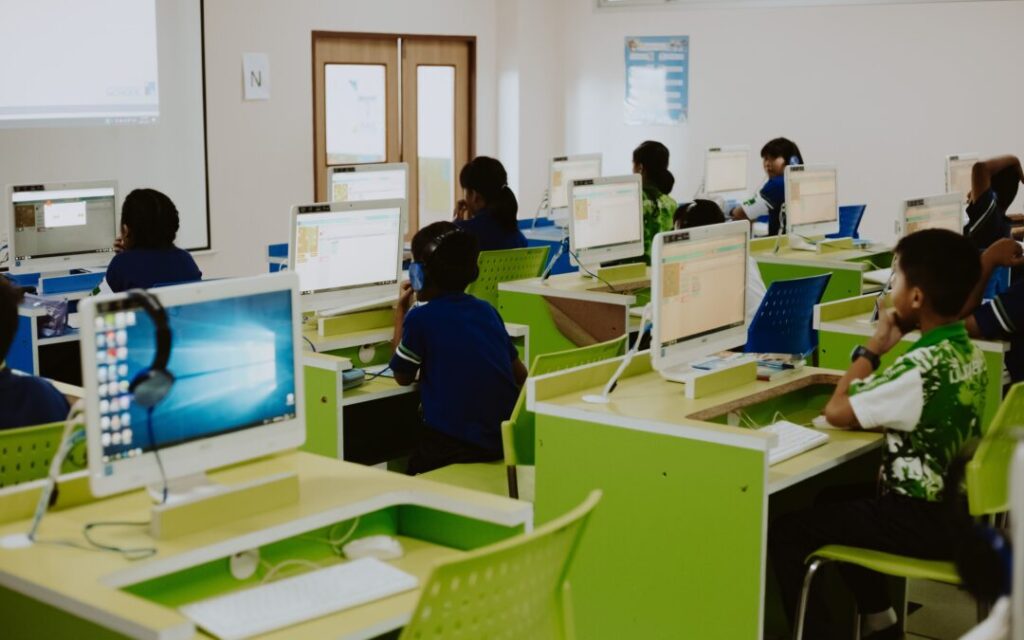
These sessions aren’t just about information, they’re about empowerment. By equipping everyday people with the tools to protect themselves and their families online, we help foster safer communities that are better prepared for the challenges of digital life.
The model for this approach is rooted in collaboration. From educators and university students to women-led community groups and civil society workers, a diverse range of local actors can take on the role of digital safety ambassadors. Training the trainers, enabling them with locally relevant content in native languages, and creating reusable learning materials are all vital steps to scaling this model.
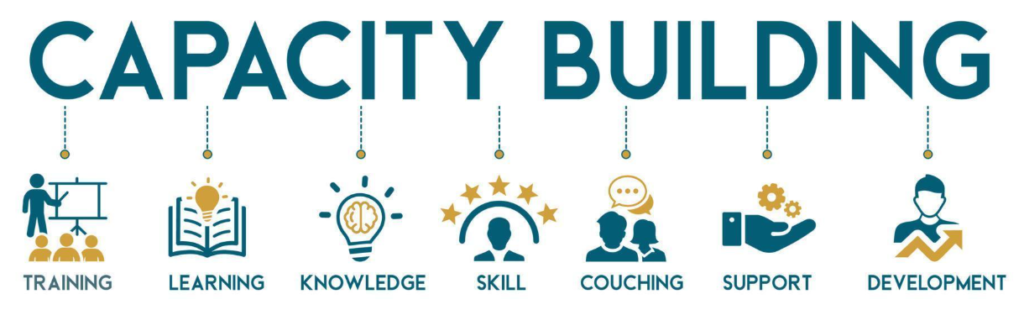
Capacity building isn’t just a program; rather, it’s a movement. It means connecting citizens with tools and knowledge so they can make informed digital choices. It also means creating trusted local support networks where people feel safe asking questions and reporting incidents without fear or shame.
This initiative is not about launching a new platform or campaign with a flashy name. It’s about building a culture of shared responsibility, empathy, and action—led by the very communities most affected by digital threats.
Whether you are a teacher, a student, a health worker, or a concerned parent, your role matters. Change starts in your neighborhood, your school, and your circle. Every workshop held, every conversation started, and every myth busted contributes to a safer, more informed digital society.
Because when it comes to building a secure digital future, it truly starts with us.