


In our digital age, mobile applications have become an integral part of our daily lives, offering convenience and functionality at our fingertips. However, not all apps are created equal, especially when it comes to respecting your privacy. Whether you’re using an Android or an iPhone, it’s crucial to be vigilant about the apps you download and the permissions you grant them. Here are some best practices to ensure your privacy is protected when installing new apps.
Recent Advisory from PKCERT
Recently, PKCERT, our government institution, issued an advisory about certain matrimonial apps that collect and share personal data of users with third-party apps. This advisory highlights the importance of being cautious about the apps you download and the permissions you grant. For more detailed information, you can read the full advisory here.
Best Practices for Safe App Downloads
1. Research Before You Download
Before downloading any app, take the time to research it thoroughly. Here’s how:
- Read Reviews: Check user reviews on the App Store or Google Play Store. Look for any red flags regarding privacy issues.
- Check the Developer: Ensure the app is developed by a reputable company. You can often find this information in the app description or by visiting the developer’s website.
- Search Online: Look for any news articles or blog posts about the app. This can provide insights into any past privacy concerns or data breaches associated with it.
2. Install from Official Sources
Always download apps from official app stores like Google Play Store for Android and Apple App Store for iPhone. These platforms have vetting processes to reduce the risk of malicious apps.
- Avoid Sideloading: Sideloading apps (installing from unofficial sources) can expose your device to malware and other security risks.
- Official Websites: If you must download from a website, ensure it’s the official site of the app developer.

3. Understand App Permissions
Apps often request access to various features and data on your phone. It’s essential to scrutinize these permissions:
- Permission Categories: Common permissions include access to your camera, microphone, contacts, location, and storage. Ensure the requested permissions make sense for the app’s functionality.
- Read the Privacy Policy: Before installation, read the app’s privacy policy to understand how your data will be used and stored. Look for information about data sharing with third parties.
- Use Built-in Tools: Both Android and iPhone have tools to manage app permissions. Regularly review and adjust these settings to limit access to your personal information.
4. Be Cautious with Sensitive Apps
Certain types of apps, such as dating or matrimonial apps, inherently handle more sensitive personal information. Here are additional steps to take:
- Minimal Information: Provide the bare minimum of required information. Avoid sharing unnecessary personal details.
- Profile Visibility: Use privacy settings within the app to control who can view your profile and information.
- Communication Tools: Prefer apps that offer in-app messaging rather than sharing your phone number or other contact details.
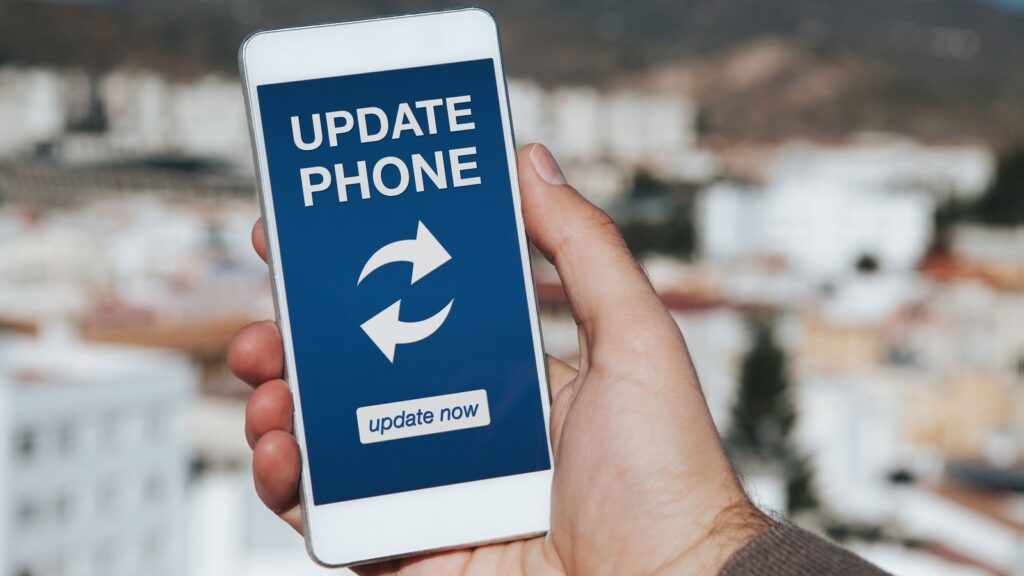
5. Keep Your Device Updated
Regular updates to your device’s operating system and apps include security patches that protect against vulnerabilities.
- Automatic Updates: Enable automatic updates for both your OS and apps to ensure you always have the latest security features.
- Review Update Notes: Before updating, review the update notes to understand what changes or new permissions are being requested.
6. Regularly Review and Clean Up Apps
Periodically review the apps installed on your device:
- Uninstall Unused Apps: Remove any apps you no longer use to minimize the potential for privacy issues.
- Check Permissions: Revisit the permissions granted to your remaining apps and revoke any that are unnecessary.
7. Use Security and Privacy Tools
Enhance your privacy and security with additional tools:
- VPN: Use a Virtual Private Network (VPN) to encrypt your internet connection, especially when using public Wi-Fi.
- Other Security Measures: Explore additional security measures such as app-locking tools or mobile security suites that offer features like anti-phishing protection and safe browsing modes.
Conclusion
In a world where data privacy is increasingly under threat, taking proactive steps to secure your personal information is more important than ever. By following these best practices for safe app downloads, you can significantly reduce the risk of compromising your privacy. Always stay informed and vigilant, ensuring that the convenience of mobile apps does not come at the cost of your personal data.